

For most Barnstable yards, a blend that leans on fine fescues, with some Kentucky bluegrass or perennial ryegrass mixed in, is a sound starting point. Fine fescue copes with sandy, dry, low nutrient ground better than most lawn grasses. Sod gives you a finished lawn quickly, but on Cape Cod the soil work underneath matters as much as the grass you choose. This guide covers grass types, seed versus sod, timing, soil preparation and early care. It is general advice, and every lot is a little different.
What makes Cape Cod lawns different?
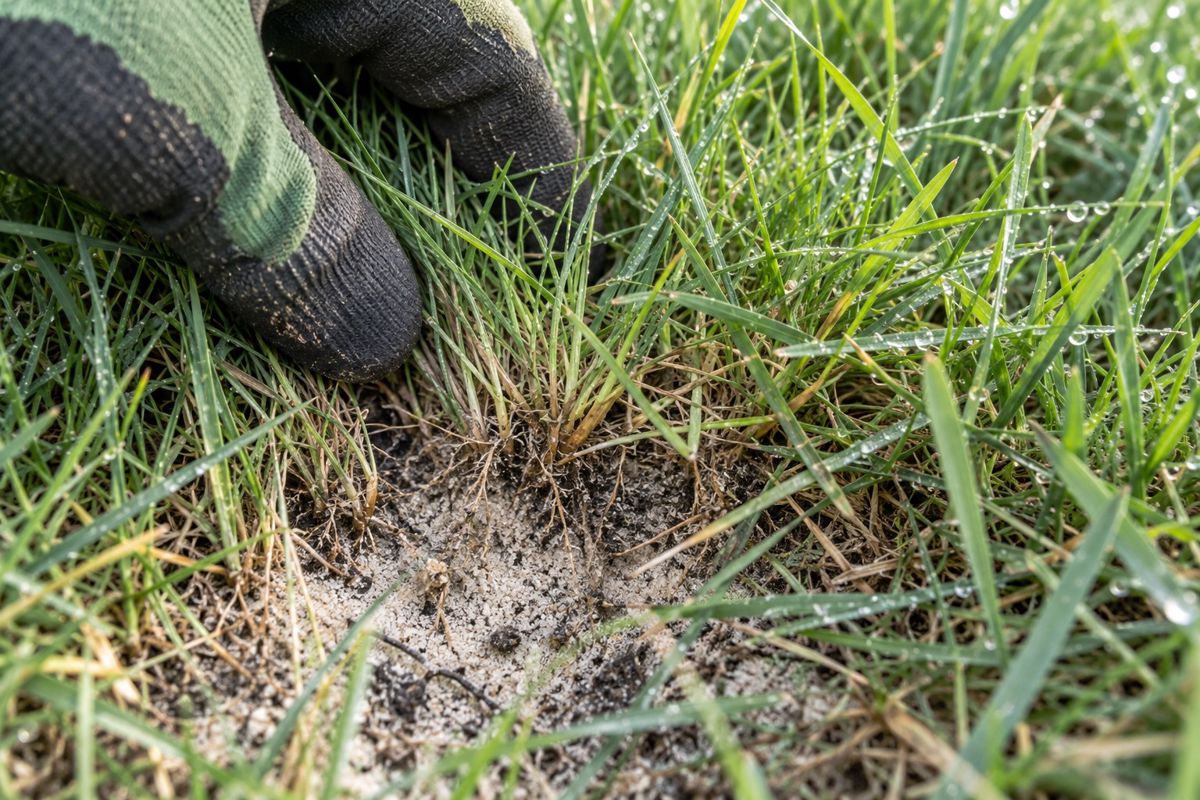
Most of Cape Cod sits on sand and gravel left behind by glaciers. That ground drains fast, holds little organic matter and does not store many nutrients. Water and fertilizer move down through it quickly. A lawn that would be fine on heavier inland soil can turn thin and pale here by midsummer.
Three other local factors shape the choice of grass.
- Wind and salt. Coastal wind dries the blades, and salt spray after a storm can brown lawns close to the water.
- Cool-season growth. Lawn grasses that suit New England grow hard in spring and fall and slow down in summer heat.
- Groundwater and ponds. Extra nitrogen leaches easily through sand and can end up in ponds and bays. Massachusetts has rules on when and how fertilizer can be applied, and some towns add their own, so check before you feed a lawn.
A soil test is cheap and useful here. Many Massachusetts homeowners send samples to a university extension lab, which reports pH and nutrient levels and suggests what to add. Sandy Cape soils are often on the acidic side, and a test tells you whether lime would help.
Which grass types do well in Barnstable?
You will mostly choose among cool-season grasses. Warm-season types such as Bermuda grass are not a good fit for New England winters.
- Fine fescues (creeping red, chewings, hard and sheep fescue). These handle sandy, dry, low fertility soil and some shade. They need less fertilizer and less mowing than other lawn grasses. The blades are thin and soft, and they make up the base of many Cape Cod mixes.
- Kentucky bluegrass. It forms a dense, dark green lawn and repairs itself by spreading. It likes more water and feeding than fescue, so it does best with irrigation and decent soil.
- Perennial ryegrass. It sprouts quickly and wears well under foot traffic. It is often blended in to help a new lawn fill in fast.
- Turf-type tall fescue. Its deep roots help in dry spells and it tolerates heat. The blades are coarser, so some owners prefer it for play areas rather than a front lawn.
If your yard is shady under oaks and pines, lean toward fine fescue. If it is full sun with a sprinkler system, a bluegrass and ryegrass blend can look very sharp. Ask any sod supplier exactly what is in the mix, and do not accept a vague answer.
Should you use seed or sod?
Both work on the Cape. The right choice depends on your slope, your schedule and your budget.
Seed
Seed costs less and lets you pick an exact blend. It needs steady moisture for several weeks and a calm stretch of weather. Heavy rain can wash seed off a slope, and wind can dry a bare seedbed fast. Early fall is the usual choice for seeding.
Sod
Sod costs more, but you get a green, usable lawn almost at once. It holds soil in place on slopes and leaves little room for weeds to start. Sod suits yards that need to look finished for a family event, a sale or a summer rental season. Fresh sod should be cut and laid within a day or so, so ask when it was harvested.
When should you lay sod on Cape Cod?
Early fall is the most popular window for cool-season grass, because the soil is still warm, the air is cooler and weeds fade. Spring is the next choice, once the ground has thawed and dried enough to work. Summer installation is possible, but it needs daily watering in the first weeks and a close eye on the forecast. Avoid frozen ground and the last stretch of late fall, since roots will not have time to knit into the soil before winter.
How do you prepare sandy soil for sod?
Good preparation is what separates a lawn that lasts from one that browns out in August. A typical order of work looks like this.
- Test the soil and note pH and nutrient levels.
- Remove the old lawn, weeds, roots and debris.
- Grade the area so water runs away from the house and does not pool.
- Loosen the top several inches of soil.
- Work in compost or screened loam so the soil holds more water and nutrients. Sand on its own dries too fast.
- Add lime or a starter fertilizer only as the soil test suggests.
- Rake smooth and roll lightly to firm the surface.
- Lay the sod in staggered rows with tight seams, then roll it so the roots touch the soil.
Skipping the compost step is a common mistake on Cape Cod. Sod laid straight onto bare sand has a hard time rooting, and it can look fine for two weeks and then go yellow.
How do you water and care for new sod?
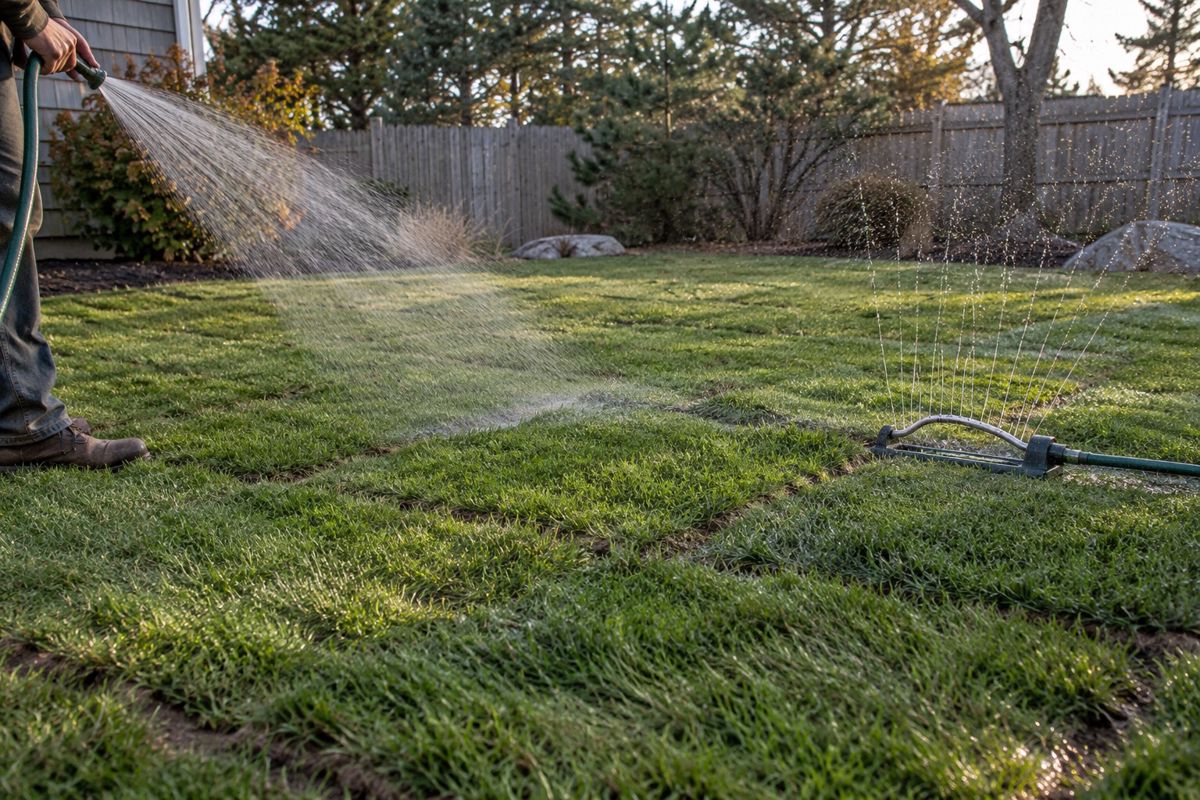
Water the sod soon after it is laid, until the soil underneath is damp. Then keep it moist, not soaking, for the first two weeks. Sandy soil dries quickly, so in warm or windy weather this can mean watering more than once a day in short bursts. After the first couple of weeks, water less often but more deeply, so roots chase moisture downward.
Tug a corner of the sod gently after about two weeks. If it resists, roots are taking hold. Keep foot traffic light until then. Mow when the grass is tall enough, set the mower high at around three inches, and never remove more than a third of the blade at once. Feed lightly and only at the times your local rules allow. Many water suppliers on the Cape set seasonal limits on outdoor watering, so a timer or an irrigation controller makes it easier to keep a lawn healthy while following them.
Where to go from here
Choosing the grass is only half of the job. The soil, the timing and the watering plan decide whether it lasts. If you are planning a new lawn and want it laid properly, read about our sod installation in Barnstable. If you want the watering handled automatically, see sprinkler and irrigation systems as well. We quote in writing after a visit to your yard.